
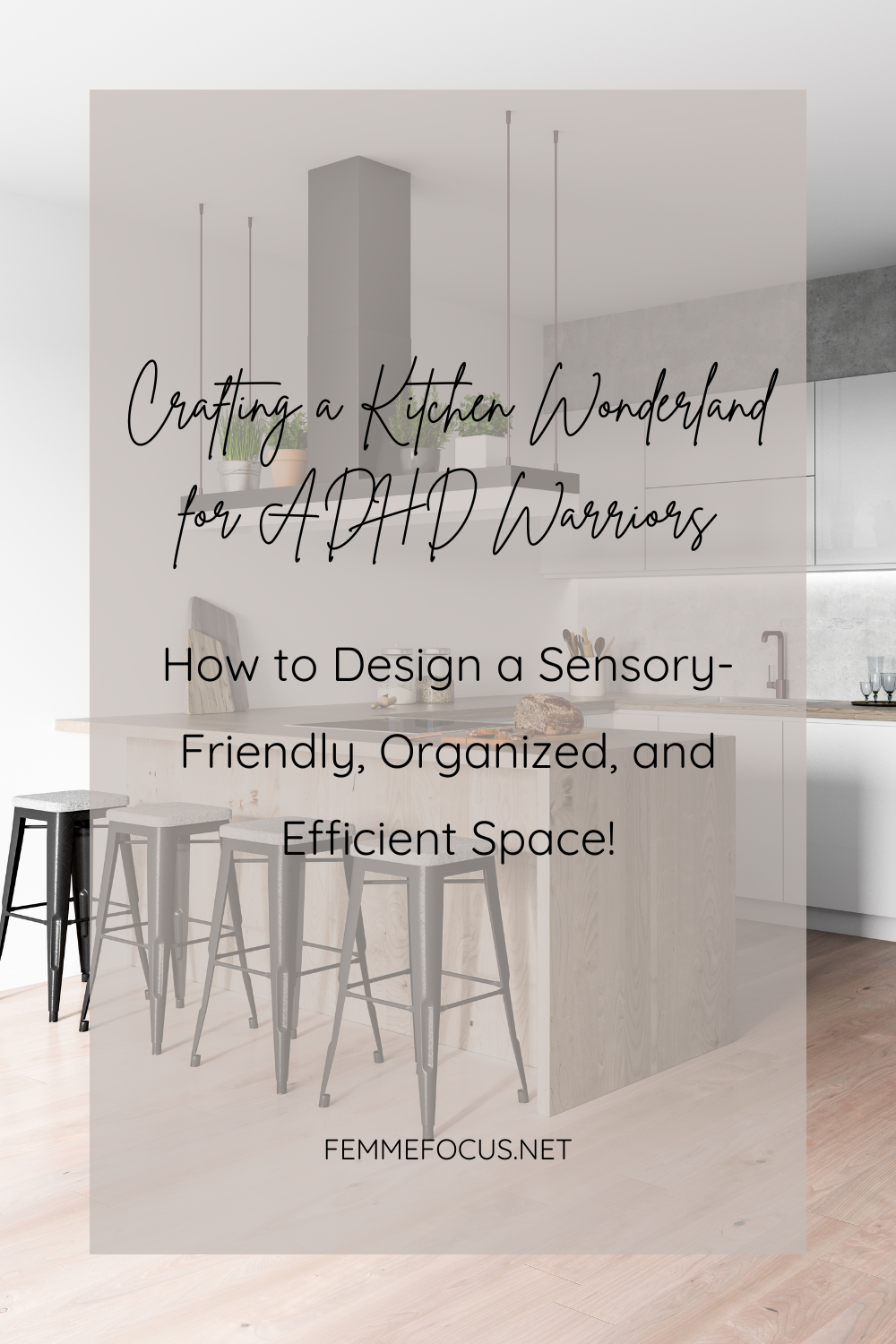
Creating a kitchen that caters to both culinary needs and ADHD-friendly practices can truly transform daily life for individuals facing attention challenges. A well-thought-out kitchen not only enhances focus but also minimizes distractions, making cooking enjoyable once again. In this blog, we’ll offer practical ideas for designing a kitchen layout that accommodates sensory needs, promotes organization, and fosters an efficient working environment.

Understanding the ADHD-Friendly Kitchen Concept
An ADHD-friendly kitchen is one that reduces chaos and fosters tranquility. The organization of our kitchens can greatly impact productivity and mental well-being. By utilizing designated spaces, visual prompts, and sensory-friendly elements, individuals with ADHD can engage more effectively in cooking.
Optimal Workspace Setup
Creating Defined Zones
Establishing clear zones in your kitchen is essential. By dividing it into prep, cooking, baking, and cleaning areas, you streamline the cooking process. This structure allows for a systematic approach to tasks and minimizes distractions.
For example, keeping pots, pans, and spices in close proximity to the stove can enhance your cooking flow. Use open shelving and labeled containers to ensure everything has a designated spot. Research shows that organized kitchens can increase cooking speed by up to 50%, allowing for a more enjoyable cooking process without the stress of searching for items mid-recipe.
Incorporating Adequate Counter Space
Having sufficient countertop space helps reduce sensory overload. When counters are cluttered, it’s easy to feel overwhelmed, which can interrupt your focus. Clear, spacious counters allow for peaceful food preparation, accommodating different culinary projects without chaos.
Consider movable cutting boards that can be stored away when not in use. This way, your workspace becomes adaptable and organized, contributing to a calmer cooking atmosphere.
Ergonomic Design Features
When designing your kitchen, focus on ergonomic features that suit your needs. Opt for cabinets that are within easy reach, and consider pullout drawers for accessing deeper items. If you have low cabinets, deeper pulls can help prevent the frustration of bending down and rummaging through them.
For example, a pull-down rack for frequently used items can save time and energy, helping you concentrate on cooking without navigating a challenging layout.
Visual Cues for Organization
Color Coding
Color coding is a powerful strategy for visual organization. By assigning specific colors to different sections of your kitchen, you create an intuitive visual guide that saves time and mental energy.
For instance, label baking utensils with blue tags, fresh produce with green, and spices with red. This technique not only looks appealing but also helps maintain tidiness with easily identifiable references.
Clear Containers and Labels
Invest in clear containers for dry goods, snacks, and frequently used ingredients. This transparency makes items quick to spot and grab. Additionally, labeling each container reduces cognitive load when searching for ingredients.
Using legible fonts with fun graphics on labels can enhance the experience. The goal is to create visually stimulating cues that engage rather than overwhelm, promoting a fun atmosphere in the kitchen.
Creating a Kitchen Command Center
Utilizing a wall or unused door space as a command center can provide much-needed clarity. Consider including a whiteboard for jotting down recipes, a calendar for meal planning, and even a visual checklist for cooking tasks.
A magnetic board can hold important lists or reminders, making reference easy and quick. This central point for organization reduces mental strain by keeping everything in one place.
Sensory-Friendly Kitchen Design
Selecting Soothing Colors and Textures
A sensory-friendly kitchen should be a feast for the eyes while promoting calmness. Start by choosing soothing colors like soft blues, greens, or neutral tones for walls and cabinets. These colors help create a tranquil environment, perfect for minimizing sensory overload.
When selecting materials, prefer textures that are welcoming, such as wood or soft-touch finishes. If you’re updating appliances, prioritize quieter options. For example, some brands offer dishwashers with sound levels as low as 44 decibels, significantly reducing chaotic sounds that can distract you while cooking.
Incorporating Natural Light
Maximizing natural light can boost mood and productivity. Aim to have large windows or install skylights to allow sunshine into your kitchen. Studies indicate that natural light can increase focus by up to 20%, resulting in a brighter space that fosters well-being.
Opt for sheer curtains to filter light without causing glare. This gentle brightness can dramatically improve the cooking environment.
Sound-Absorbing Materials
It’s vital to include elements that soften noise in your sensory-friendly kitchen. Wooden cabinets, cork flooring, and soft mats can help cushion sounds, creating a more peaceful atmosphere for cooking.
Adding plants not only beautifies the space but also absorbs sounds, contributing to a calming cooking environment—especially for those sensitive to noisy distractions.
Final Touches: Personalization and Comfort
Customizable Spaces
Personalizing your kitchen design allows you to cater to your unique sensory needs. For instance, adding small touch-sensitive lights or installing a custom spice rack suited to your cooking style can enhance comfort and make the space feel more yours.
Mindful Accessories
Choose kitchen accessories that support mindfulness. For example, ergonomically designed utensils provide comfort during cooking, accommodating various tasks without causing discomfort.
Sensory-friendly cutting boards with different textures can add excitement to meal prep. Incorporating features that engage your senses adds significant value to your cooking experience.
Transform Your Cooking Space
Designing an ADHD-friendly kitchen focuses on creating an environment tailored to your needs. With defined zones, visual cues, and sensory-friendly components, you can turn cooking from a chore into an enjoyable experience.
Embrace the creativity involved in this transformation. By adopting energizing practices, you can empower your cooking journey, one sensory-friendly element at a time. Your kitchen can evolve into a haven that supports and uplifts you every day.
In a world where distractions can easily interrupt, take the step to craft your very own kitchen wonderland. Experience the joy that comes from organized, focused, and efficient cooking!
Know someone who could benefit from this post? Share below!
Leave a Reply